Introduction
In the culinary world, cream chargers-- often referred to as whipped cream chargers or N2O cream chargers-- have found their specific niche in both expert kitchen areas and home cooking. These little canisters, generally filled with laughing gas (N ₂ O), are used to create whipped cream quickly and efficiently. Nevertheless, while they might look like a versatile kitchen tool, lots of people overlook the environmental effect of using laughing gas cream chargers This post aims to explore this often-ignored aspect, focusing on the ecological repercussions of these popular cooking tools.
The Ecological Impact of Utilizing Laughing Gas Cream Chargers
Nitrous oxide is a gas that has gotten popularity not just for its culinary uses however also for its environmental ramifications. As we explore the environmental effect of using nitrous oxide cream chargers, it's crucial to comprehend how this gas communicates with our atmosphere and adds to environment change.
What Are Laughing gas Cream Chargers?
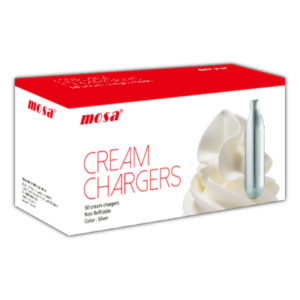
Nitrous oxide cream chargers are little metal cylinders created to infuse whipped cream dispensers with gas. When released, nitrous oxide helps whip and aerate creams, resulting in fluffy textures that raise desserts and drinks alike. While they serve a significant cooking function, they also pose difficulties to our environment.
The Chemistry Behind Nitrous Oxide
Nitrous oxide (N ₂ O) is made up of two nitrogen atoms and one oxygen atom. It is primarily produced through agricultural activities, especially from fertilized soils. Remarkably enough, N ₂ O is about 298 times more potent than co2 in regards to its greenhouse result over a century. Nang This detail emphasizes the necessity for care when making use of such compounds in daily products like whipped cream dispensers.
How Are Cream Chargers Made?
Understanding the manufacturing procedure sheds light on their environmental footprint. Typically made from stainless steel or aluminum, these cream battery charger bulbs go through various stages, including:
Material Extraction: Mining metals needs significant energy and can cause environment destruction. Production Process: The production procedure itself includes high energy usage and emissions. Filling: The filling process utilizes energy-intensive equipment that contributes further to carbon footprints.The entire lifecycle of a laughing gas cream charger-- from raw material extraction to disposal-- can have considerable environmental implications.
Greenhouse Gas Emissions from N ₂ O
When talking about the ecological effect of nitrous oxide cream chargers, one should think about that N ₂ O is categorized as a greenhouse gas. Its contributions consist of:
- Atmospheric warming Ozone layer depletion Air quality degradation
Notably, even small amounts can collect in time due to their long atmospheric lifespan.
Alternatives to Nitrous Oxide Cream Chargers
As awareness grows concerning the environmental toll of standard whipped cream methods, alternative choices have actually emerged:
1. Handbook Whipping Methods
While less practical than using whipped cream dispensers, manual whipping enables more control over ingredients without relying on industrial gases.
2. Plant-Based Whipping Creams
Many brand names now provide plant-based options that use sustainable components and product packaging approaches-- showing that indulgence doesn't have to come at an environmental cost.
3. Reusable Cream Dispensers
Some business offer reusable dispensers created specifically for sustainability enthusiasts; these systems remove the need for single-use chargers entirely.
Legislation Surrounding Nitrous Oxide Use
As public sentiment shifts towards sustainability, legislation has actually started addressing the usage of nitrous oxide in cooking applications:
1. Restrictions on Single-Use Products
Several areas worldwide are enacting bans on single-use plastic products-- that include some packaging approaches related to cream chargers.

2. Regulations Around Agricultural Use
Since much nitrous oxide stems from farming practices including fertilizer use, some governments are putting policies in place targeted at minimizing general emissions.
Consumer Awareness and Responsibility
A vital element of mitigating environmental damage comes from customer habits:
1. Educating Customers About Alternatives
Consumers need to be notified about sustainable choices offered in the marketplace.
2. Encouraging Accountable Disposal Practices
Proper disposal approaches can Best Nangs lessen negative impacts; recycling products where appropriate plays an essential function here!
FAQs
1. What are laughing gas cream chargers used for?
Nitrous oxide cream chargers are primarily utilized for creating whipped cream rapidly by charging whipped cream dispensers with gas.
2. Are there environmentally friendly options to N ₂ O?
Yes! Alternatives consist of manual whipping tools, plant-based creams, or multiple-use dispensers designed to minimize waste.
3. How does nitrous oxide contribute to environment change?
N ₂ O is a potent greenhouse gas approximately 298 times more effective than CO ₂ at trapping heat in the environment over a century-long timeframe.
4. Can I recycle my used N2O canisters?
Many regions allow recycling if they're empty; however, check regional policies relating to disposal practices before proceeding!
5. Is there legislation relating to nitrogen use in agriculture?
Yes! Various governments all over the world have actually enacted laws focused on managing nitrogen fertilizer use due to its contribution towards nitrous oxide emissions.
6. What ought to I do if I want to reduce my carbon footprint while baking?
Consider utilizing manual whipping methods or exploring sustainable brands offering plant-based options instead!
Conclusion
In conclusion, while nitrous oxide cream chargers undoubtedly enhance our cooking experiences by creating wonderful textures and flavors, their environmental effect can not be overlooked any longer! By understanding how these devices work together with their repercussions on environment modification-- and making notified choices-- we can all contribute towards accomplishing more sustainable practices in both our kitchens and communities!
Awareness leads us down courses towards development; let's guarantee we make choices that cultivate favorable changes rather than encourage detrimental results on our world's future!